Anthuriums, with their distinctive heart-shaped flowers and glossy leaves, have become a popular choice among indoor plant enthusiasts. While the flowering varieties are well-known for their elegance, there are also non-flowering Anthuriums that offer unique foliage and charm. In this comprehensive guide, we'll delve into the world of Anthurium care, including both flowering and non-flowering varieties, sharing insights and tips to help you ensure your Anthurium houseplants thrive and flourish.
Getting to Know Anthuriums
Anthuriums, commonly known as flamingo flowers or laceleaf, belong to the Araceae family and are native to tropical regions of Central and South America. They come in a variety of colors, including shades of red, pink, white, and even green. The heart-shaped spathe and spadix flowers add a touch of elegance to any indoor space. In addition to the flowering varieties, there are also Anthuriums bred for their unique foliage.
Flowering Anthuriums
Flowering Anthuriums are the more commonly known varieties, celebrated for their showy blooms that last for weeks. They require similar care to other houseplants, with considerations for light, temperature, humidity, watering, and fertilizing.
Foliage Anthuriums
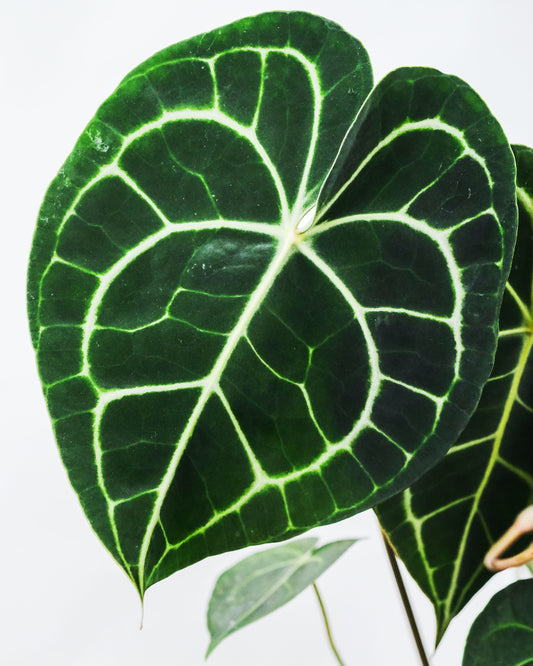
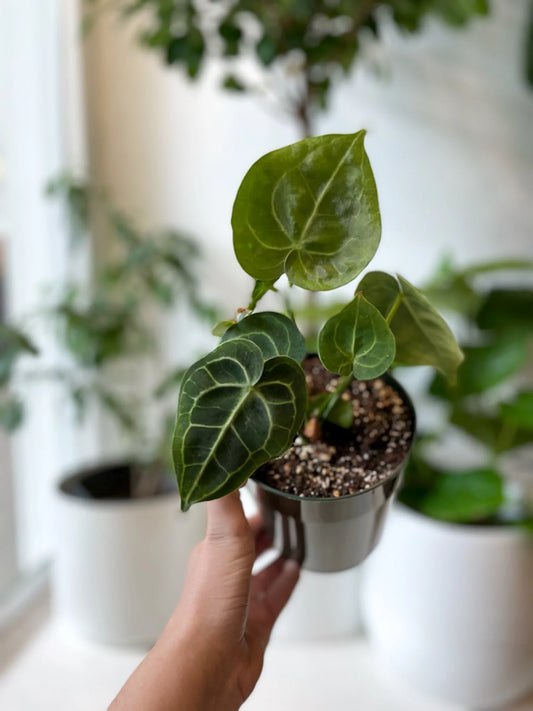
Anthuriums bred without showy blooms, often referred to as "foliage Anthuriums," are prized for their stunning leaves. These varieties showcase a diverse range of leaf shapes, sizes, and colors, making them a captivating addition to any plant collection. While they don't produce the traditional spathes and spadix flowers, their foliage more than compensates for the absence of blooms.
Light and Location for Foliage Anthuriums
Foliage Anthuriums have their own light preferences. Many varieties thrive in bright, indirect light, while some tolerate lower light conditions. It's essential to research the specific requirements of your Anthurium to provide it with the ideal light exposure.
Temperature and Humidity
Like their flowering counterparts, foliage Anthuriums appreciate warm and humid environments. Be sure to maintain the appropriate temperature and humidity levels to support healthy growth and vibrant foliage.
Watering and Fertilizing for Foliage Anthuriums
Foliage Anthuriums generally have similar watering and fertilizing needs as flowering varieties. Keep the soil consistently moist but not waterlogged, and fertilize during the growing season to provide essential nutrients.
Pruning and Maintenance
Regular maintenance is key for both flowering and foliage Anthuriums. Remove dead or yellowing leaves, wipe down the foliage to prevent dust buildup, and ensure proper air circulation to discourage pests and diseases.
Popular Varieties of Foliage Anthuriums
- Anthurium crystallinum: Known for its velvety, dark green leaves with prominent white veins.
- Anthurium clarinervium: Features large, heart-shaped leaves with striking silver veins.
- Anthurium magnificum: Showcases glossy, elongated leaves with wavy edges and silvery veins.
Whether you're captivated by the alluring flowers or the captivating foliage, Anthuriums offer a wealth of beauty and charm for indoor plant enthusiasts. By tailoring your care routine to the specific needs of your Anthurium, whether it blooms or not, you can create an environment that encourages growth, health, and aesthetic appeal. With dedication and attention, both flowering and foliage Anthuriums will thrive and become delightful additions to your home jungle.