5 Ways to Increase Humidity for Happy Houseplants

In the world of indoor gardening, we often focus on the basics: light, water, and soil. But there's one often-overlooked element that can make all the difference in the health and vibrancy of your houseplants – humidity control. Picture this: lush, green foliage, vibrant blossoms, and thriving green companions that not only beautify your living space but also purify the air you breathe. As we delve into the fascinating realm of humidity control for houseplants, you'll discover the remarkable benefits it can bring to your botanical haven. So, if you're ready to elevate your indoor gardening game and create an oasis of vitality in your home, read on to uncover the secrets of maintaining the perfect moisture levels for your beloved greenery.
5 Ways to Increase Humidity for Happy Houseplants

Increasing humidity in your home can be beneficial for your plants, especially if they come from tropical or humid environments. Here are five things you can do to raise the humidity levels for your plants:

Use a Humidifier

A humidifier is a device that adds moisture to the air. It's one of the most effective ways to increase humidity indoors. Place the humidifier near your plants to disperse moisture directly to them. You can control the level of humidity by adjusting the settings on the humidifier.

Misting

Regularly misting your plants with water helps to raise humidity levels temporarily. Use a spray bottle to mist the leaves, being careful not to overdo it, as excessively wet foliage can lead to fungal issues. Misting is especially helpful for plants that enjoy higher humidity, such as ferns and orchids.

Grouping Plants

Grouping plants together can create a microclimate with higher humidity. As plants transpire (release moisture through their leaves), the collective moisture can create a more humid environment. Make sure the grouped plants have similar moisture requirements and light levels.

Trays of Water

Place shallow trays or saucers filled with water near your plants. As the water evaporates, it increases the humidity around the plants. You can also place pebbles or stones in the trays and add water just until the surface is below the tops of the stones. This prevents the pots from sitting directly in water while still increasing humidity.

Use a Pebble Tray

This method involves placing your plant pot on a tray filled with water and pebbles. The water evaporates from the tray, creating a humid microclimate around the plant. Just make sure the bottom of the pot doesn't sit in the water to prevent root rot.

Remember that different plants have different humidity preferences, so it's important to consider the specific needs of your plants when trying to increase humidity. Monitor humidity levels with a hygrometer to ensure you're providing the optimal environment for your plants' growth and well-being.
  • When to Repot: An Expert Guide

    When to Repot: An Expert Guide

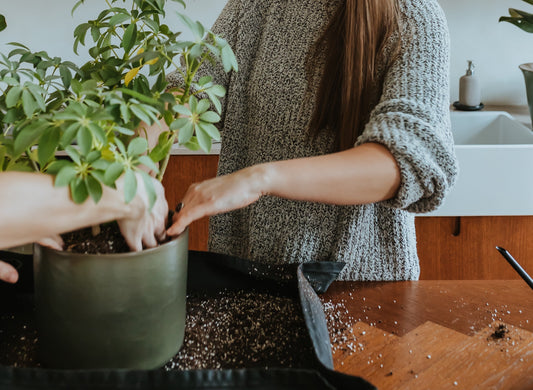
    Houseplants bring life, beauty, and a touch of nature indoors, but like all living things, they require proper care and attention. One essential aspect of houseplant care is repotting. Repotting...

    Potting

    When to Repot: An Expert Guide

    Houseplants bring life, beauty, and a touch of nature indoors, but like all living things, they require proper care and attention. One essential aspect of houseplant care is repotting. Repotting...

  • Expert Tips for Flowering Hoya Plants Indoors

    Expert Tips for Flowering Hoya Plants Indoors

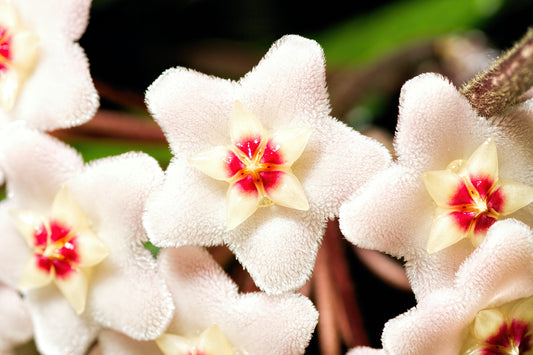
    Hoya plants, also known as wax plants or porcelain flowers, are renowned for their stunning clusters of waxy, star-shaped blossoms and their ability to thrive indoors. These tropical plants can...

    Hoya

    Expert Tips for Flowering Hoya Plants Indoors

    Hoya plants, also known as wax plants or porcelain flowers, are renowned for their stunning clusters of waxy, star-shaped blossoms and their ability to thrive indoors. These tropical plants can...

  • Growing Climbing Plants on Sphagnum Moss Poles: A Guide

    Growing Climbing Plants on Sphagnum Moss Poles: A Guide

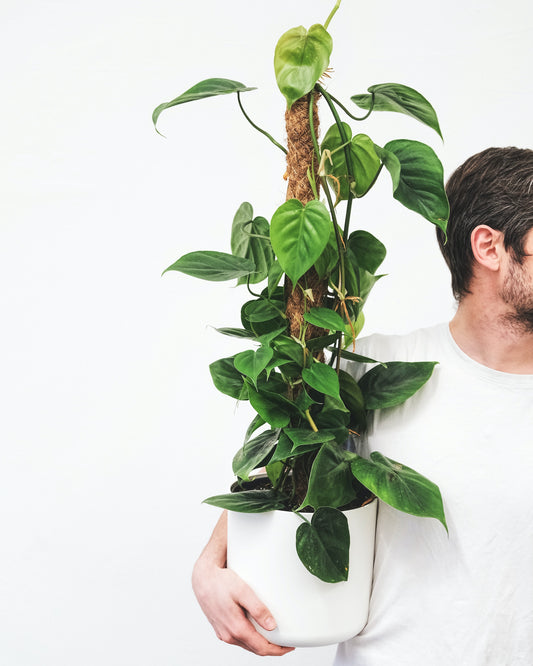
    Climbing plants bring a natural beauty to both indoor and outdoor settings, enhancing aesthetics with their luxuriant foliage and elegant vines. When these climbing plants are supported by moss poles,...

    Philodendron, Syngonium

    Growing Climbing Plants on Sphagnum Moss Poles: A Guide

    Climbing plants bring a natural beauty to both indoor and outdoor settings, enhancing aesthetics with their luxuriant foliage and elegant vines. When these climbing plants are supported by moss poles,...