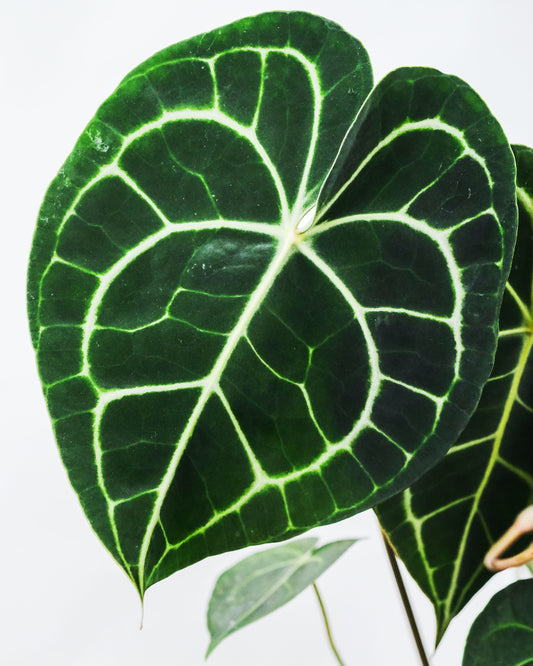
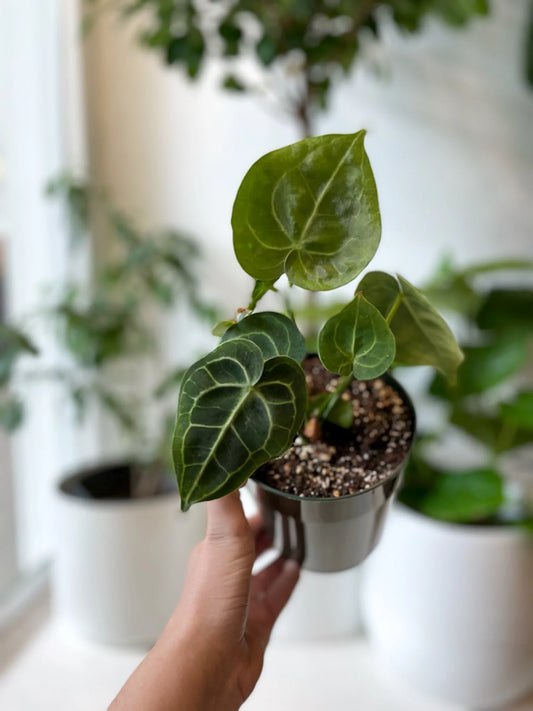
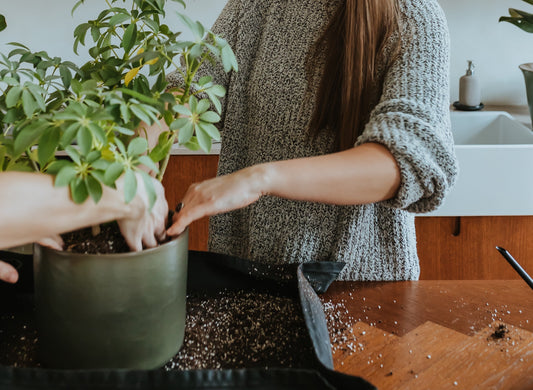
First of all, why would you want to breed anthurium and grow plants by seed when there are so many easier (and quicker) ways to propagate? There are a few reasons why plant enthusiasts may want to dive into anthurium breeding:
Variety
Breeding allows you to create new and unique varieties of anthurium plants, with different colors, patterns, and shapes, adding to the diversity of your collection.
Personal Interest
If you're passionate about plants and gardening, breeding anthuriums can be a fascinating and creative hobby that lets you experiment and express your botanical creativity.
Challenges
Breeding plants involves challenges and problem-solving, which can be intellectually stimulating and satisfying as you work to achieve desired traits and characteristics.
Contribution to Horticulture
By breeding anthuriums, you might contribute to the world of horticulture by introducing new cultivars that could become popular among plant enthusiasts and collectors.
Educational Value
Breeding plants provides an opportunity to learn about plant genetics, hybridization, and propagation techniques, deepening your understanding of botany.
Breeding Anthurium
Breeding anthurium plants usually involves a process called cross-pollination to create new varieties. Here's a basic overview of how to breed anthurium plants:
Select Parent Plants
Choose healthy and mature parent plants with desirable traits like flower colour, shape, and size. It's important to select plants that are disease-free and well-established.
Preparation
Prepare the necessary tools, including a small brush or cotton swab for transferring pollen and small bags to cover the flowers during pollination.
Pollination
Identify the female and male flowers. Female flowers have a rounded, swollen structure called the stigma, while male flowers have a column-like structure called the spadix with pollen-bearing anthers. Gently collect pollen from the male flower using a brush or cotton swab. Transfer the pollen to the stigma of the female flower. You can do this by brushing the stigma with the collected pollen.
Isolation
After pollination, cover the pollinated female flower with a small bag to prevent accidental pollination from other sources.
Seed Collection
Once the pollinated flower begins to fade, it will develop seeds. Allow the seeds to fully mature on the plant.
Harvesting Seeds
Harvest the mature seeds and remove them from the fruit. Clean the seeds and allow them to dry before planting.
Planting Seeds
Plant the dried seeds in a well-draining seed-starting mix. Keep the soil consistently moist and provide bright, indirect light. Germination may take a few weeks to a few months.
Seedling Care
As the seedlings grow, transplant them into individual pots when they're large enough to handle. Continue to provide them with the appropriate care, including proper light, humidity, and watering.
Observation and Selection
As the seedlings mature, observe their growth and characteristics. Select the seedlings with the desired traits for further cultivation.
Keep in mind that breeding anthuriums requires patience, as the process from pollination to producing mature plants can take a considerable amount of time. Additionally, successful breeding may require knowledge of anthurium species and their specific pollination requirements. It's a complex process, so consider researching more detailed resources or seeking advice from experienced anthurium growers.