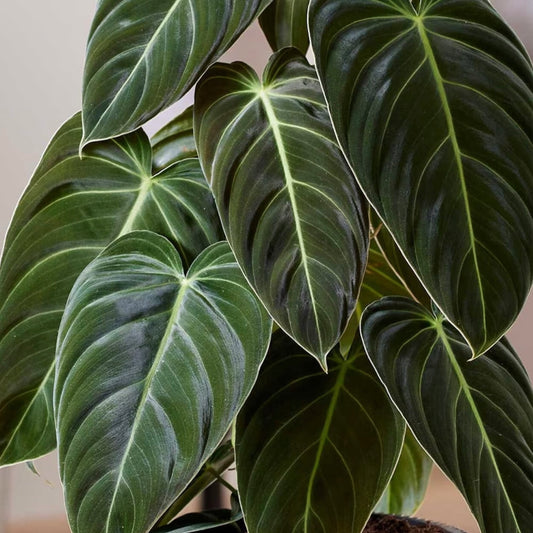
Climbing plants possess an inherent charm, elevating the aesthetic of both indoor and outdoor spaces with their lush foliage and graceful vines. Utilizing sphagnum moss poles to cultivate these plants is a popular and effective technique, and within this realm, the "Chop and Extend" method stands out for its ability to encourage continuous vertical growth. This innovative approach, which doesn't require removing the plant from its original pole, offers a unique and visually pleasing way to nurture climbing plants.
Advantages of Sphagnum Moss Poles
Cultivating climbing plants using sphagnum moss poles provides a host of benefits that go beyond mere support. One particularly noteworthy advantage of this method is how it mimics the natural environment, allowing plants to mature and develop larger leaves, just as they would in their native habitats. The benefits of using sphagnum moss poles for climbing plants are numerous and contribute to their healthy growth:
Promoting Natural Growth
Sphagnum moss poles provide a nurturing environment that closely resembles the conditions in which climbing plants thrive in the wild. As these plants cling and ascend the pole, they are encouraged to grow vertically, imitating their natural growth patterns. This results in a healthier and more robust plant, in tune with its innate tendencies.
Leaf Enlargement
Growing climbing plants on sphagnum moss poles allows them to mature and develop larger leaves, a phenomenon often observed in their native ecosystems. In nature, climbing plants use their surroundings for support as they reach toward the sunlight. Similarly, the support and vertical structure of a moss pole enable the plant to allocate more energy to leaf expansion and growth.
Aesthetic Enhancement
The enlarged leaves not only contribute to the plant's overall health but also enhance its visual appeal. Larger leaves can create a lush and dramatic display, transforming an ordinary space into a captivating green oasis. This growth response adds an element of intrigue and authenticity to your indoor or outdoor setting.
Better Light Exposure
Climbing plants on moss poles enjoy improved light exposure as they ascend toward the light source. This enhanced access to light allows them to maximize photosynthesis, a vital process for energy production and plant growth. As a result, the leaves become more efficient at capturing sunlight and converting it into energy.
Natural Climbing Adaptations
Many climbing plants possess specialized structures, such as aerial roots or tendrils, that enable them to cling to surfaces in their natural habitats. Sphagnum moss poles provide a suitable substrate for these adaptations to take effect, allowing the plants to anchor themselves securely and continue their upward journey.
By using sphagnum moss poles, gardeners and plant enthusiasts can create an environment that not only supports climbing plants but also facilitates their natural growth and development. The enlarged leaves and improved light exposure contribute to a more vibrant and authentic display, capturing the essence of these plants' wild counterparts. But what do you do when your plant happily grows beyond its moss pole?

The Chop and Extend Method
The "Chop and Extend" method, as coined by Sydney Plant Guy on YouTube, involves extending the height of the moss pole while retaining the plant's attachment to its original pole. This approach enables the climbing plant to continue its upward journey while enjoying consistent support. Here's a step-by-step guide to employing the Chop and Extend method:
Select the Optimal Time
Execute the Chop and Extend technique during the active growing season, typically in spring or early summer. This ensures that the plant responds positively to the changes and capitalizes on its growth phase.
Evaluate the Plant
Before proceeding, assess the health and growth of the climbing plant. Identify a suitable point on the stem where the cut can be made to encourage vertical growth.
Extend the Pole
Begin by trimming the existing sphagnum moss pole at its base, using clean and sharp pruning shears. Then, take a new section of sphagnum moss pole and position it atop the trimmed section. Secure the two sections together using plant ties, twine, or clips, ensuring stability.
Secure the Plant
Gently guide the climbing plant's stem toward the new extended pole. The plant will naturally twine itself around the moss pole as it grows. To provide additional support, you can use plant ties or soft twine to secure the plant's attachment to the pole.
Monitor and Maintain
Regularly check the plant's progress to ensure that it is securely attached to the extended pole and is growing vertically as desired. Adequately water the sphagnum moss to maintain the ideal moisture level for optimal root health and growth.
As you implement the Chop and Extend method on sphagnum moss poles, you provide climbing plants with the ideal conditions to flourish, reach impressive heights, and exhibit their true potential. This harmonious approach to cultivation encourages a deeper connection with the natural world and offers a rewarding experience as you witness your plants mature and thrive, reminiscent of their growth in the wild.
Suitable Plants for a sphagnum moss pole
Numerous climbing plants respond positively to the Chop and Extend method when trained on sphagnum moss poles. Some popular choices include:
Monsteras (Monstera deliciosa)
Recognizable by their iconic split leaves, Monstera plants flourish with the Chop and Extend technique, resulting in lush and visually captivating displays.
Climbing Philodendrons (Philodendron species)
Versatile and resilient, climbing philodendrons can be encouraged to reach impressive heights using the Chop and Extend method, showcasing their inherent beauty.
Pothos (Epipremnum aureum)
With their trailing vines and heart-shaped leaves, pothos plants can be transformed into striking vertical exhibits through the Chop and Extend technique.
Syngoniums (Syngonium species)
Admired for their distinct leaf patterns, syngoniums can be trained to climb and grow vertically using the Chop and Extend method, allowing their leaves to mature into the desired tri-lobed shape.
In conclusion, the accurate application of the Chop and Extend method, involving sphagnum moss poles and without removing the plant from its original pole, offers an innovative and effective means of nurturing climbing plants. By employing this technique during the active growing season and selecting suitable plant species, you can create captivating vertical displays that infuse your living space or outdoor area with the beauty of nature. Regular monitoring, proper care, and an appreciation for the flourishing results will reward you with healthy and stunning climbing plants that thrive with support from their moss-covered poles.