Provide Adequate Light
Hoya plants thrive in bright, indirect light. Place your hoya near a north or east-facing window where it can receive filtered sunlight throughout the day. Avoid placing it in direct, harsh sunlight, as it can scorch the leaves.
Maintain Consistent Temperatures
Hoyas prefer moderate temperatures and are sensitive to extreme fluctuations. Keep your indoor space within a temperature range of 60-80°F (15-27°C) to encourage healthy growth and flowering.
Potting Mix and Container
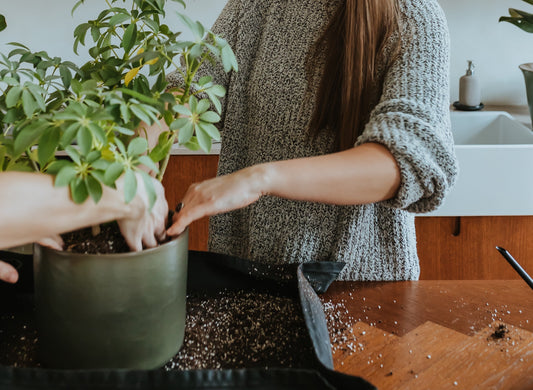
Use a well-draining potting mix that retains moisture but doesn't become waterlogged. A mix of potting soil, perlite, and orchid bark can work well. Choose a container with good drainage to prevent root rot.
Proper Watering
Allow the top inch of the potting mix to dry out before watering your hoya plant. Water thoroughly and let excess water drain away. Overwatering can lead to root rot, while underwatering can stunt growth and inhibit flowering.
Humidity Matters
Hoyas thrive in humid environments. Boost humidity levels by misting the plant regularly, placing a tray of water near it, or using a humidifier.
Fertilize Wisely
During the growing season (spring and summer), feed your hoya plant with a balanced, water-soluble fertilizer diluted to half strength. Avoid over-fertilizing, as this can result in excessive foliage growth at the expense of flowers.
Pruning and Training
Regularly prune your hoya plant to remove dead or damaged growth. Additionally, consider training your hoya to climb or cascade by using a trellis or support structure. This can help distribute energy throughout the plant, promoting blooming.
Patience is Key
Hoya plants are not known for their rapid growth or quick blooming. It's important to be patient and consistent in your care routine. Some hoya varieties may take a few years to mature and produce their first blooms.
Propagation and Blooming
Interestingly, some hoya plants tend to bloom more prolifically when they're a bit root-bound. You might notice increased flowering in plants that have been in the same pot for a while.
Assess for Pests
Regularly inspect your hoya plant for signs of pests, such as mealybugs or aphids. These pests can inhibit growth and blooming, so address any infestations promptly.
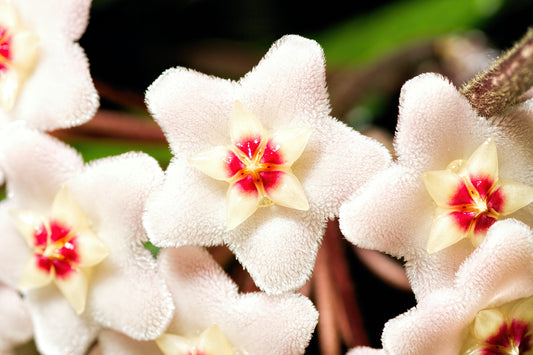
In conclusion, coaxing a hoya plant to bloom indoors requires a balance of proper lighting, temperature, watering, and care. With patience and a consistent routine, you'll be rewarded with the breathtaking sight of those waxy, fragrant clusters of blossoms gracing your indoor space. Remember that each hoya plant is unique, so observing and adjusting your care routine as needed will help you achieve the best results. Happy hoya blooming!